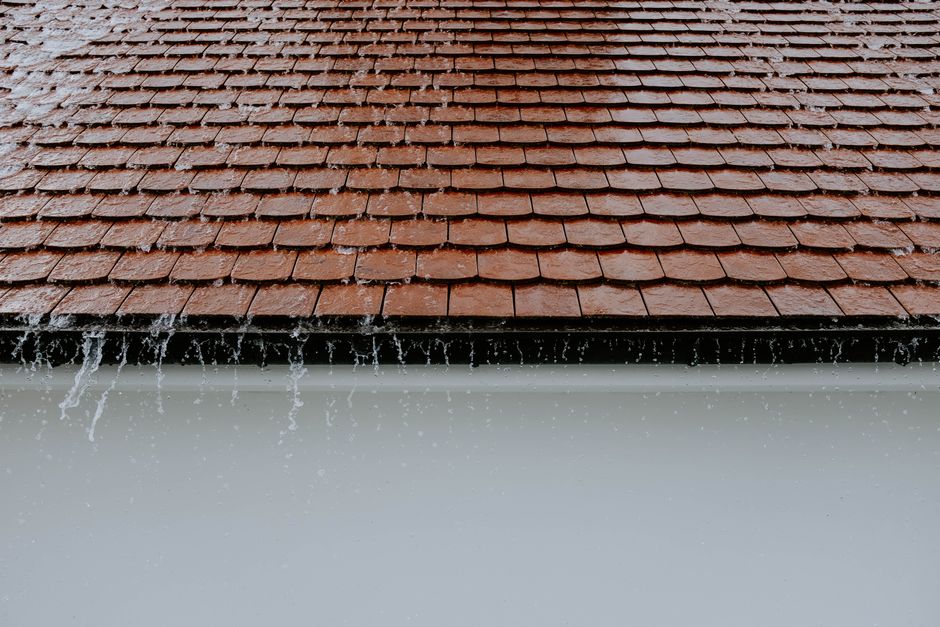
Wellington’s weather is one of the harshest environments for roof paint in New Zealand, with wind speeds regularly exceeding 100 km/h, UV index levels above 10 in summer, and high annual rainfall averaging around 1,250 mm. These conditions can shorten a roof coating’s lifespan from a potential 15 years down to 5-8 years when the wrong product or preparation is used.
This article breaks down exactly how Wellington weather affects your roof paint, what warning signs to look for, and how to choose coatings that last. We cover homes across Lower Hutt, Upper Hutt, Porirua, Kapiti Coast, Wairarapa, and surrounding areas.
Understand How Wellington’s Climate Damages Roof Coatings
Wellington sits in one of the windiest cities in the world. That wind carries salt air from Cook Strait, abrasive dust, and moisture that works its way under paint films. The result is peeling, chalking, and rust forming beneath the surface.
UV radiation is a major factor many homeowners overlook. Wellington’s thin ozone layer means UV levels hit 10 or higher on the UV index scale from November through February. Prolonged UV exposure breaks down the binders in roof paint, causing it to chalk and fade.
Rainfall adds another layer of stress. Water gets into micro-cracks in aging paint, then freeze-thaw cycles during winter expand those cracks further. For homes in Upper Hutt and Masterton, which see colder inland winters, this freeze-thaw damage is especially common.
Compare Weather Conditions Across Wellington Regions
Not every suburb experiences Wellington weather the same way. Coastal areas face salt spray and stronger winds, while inland towns deal with temperature extremes. Here is how conditions vary across the region and what that means for your roof paint.
| Area | Main Risk | Avg Annual Rainfall | Paint Lifespan (if unprotected) |
|---|---|---|---|
| Petone / Lower Hutt | Salt air, wind | 1,100 mm | 5-7 years |
| Porirua | Salt spray, UV | 1,050 mm | 5-7 years |
| Upper Hutt | Freeze-thaw, UV | 1,350 mm | 6-9 years |
| Kapiti Coast / Paraparaumu | Salt air, UV, wind | 950 mm | 5-7 years |
| Waikanae / Otaki | Salt, humidity | 1,000 mm | 5-8 years |
| Masterton / Carterton | UV, frost, wind | 800 mm | 7-10 years |
| Wairarapa (Featherston, Greytown, Martinborough) | UV, dry heat, frost | 700-850 mm | 8-10 years |
| Levin | Humidity, UV | 1,000 mm | 6-8 years |
Coastal suburbs like Petone and Porirua tend to see the fastest paint degradation. Salt particles land on your roof daily and accelerate corrosion on metal roofs. Inland Wairarapa towns like Martinborough and Greytown get less rain but intense summer UV and sharp winter frosts.
Spot the Warning Signs That Wellington Weather Is Winning
Your roof will show clear signals when Wellington weather has started breaking down your paint. Catching these early can save you thousands in repairs or full re-roofing costs.
- Chalking: A white, powdery residue on the surface means UV has broken down the paint binders. Run your hand across the roof tiles and check for white dust.
- Peeling or flaking: Paint lifts away from the substrate, often starting at edges or seams. Wind and moisture are usually the cause.
- Moss and lichen growth: Common in shadier areas, especially in Upper Hutt and parts of the Kapiti Coast. Moisture retention under growth accelerates paint breakdown.
- Rust streaking: On iron or steel roofs, orange streaks mean the coating has failed and moisture is reaching the metal beneath.
- Colour fading: Significant fading within 5 years usually means a low-quality paint was applied. Quality coatings should retain colour for 10 or more years.
- Cracking or crazing: Small surface cracks that spread across panels. Freeze-thaw cycles in inland areas like Masterton make this worse.
The Roof Painter recommends a visual inspection of your roof every 2-3 years, especially after a rough Wellington winter.
Choose the Right Roof Paint for Wellington Conditions
Not all roof paints are equal. Wellington weather demands products with specific properties. Using a standard exterior paint on a Wellington roof is one of the most common and costly mistakes homeowners make.
| Paint Type | Best For | UV Resistance | Salt Resistance | Approx Lifespan |
|---|---|---|---|---|
| Acrylic elastomeric | Concrete tiles, masonry | High | Medium | 10-15 years |
| Polyurethane coating | Metal roofs, harsh coastal | Very High | High | 12-18 years |
| Waterborne enamel | General use, low UV areas | Medium | Low | 5-8 years |
| Epoxy primer + topcoat | Rusted or bare metal | Medium | High | 10-15 years |
| Membrane coating | Flat or low-pitch roofs | High | Medium | 10-20 years |
For coastal Petone, Porirua, or Waikanae homes, polyurethane coatings with high salt resistance are the best choice. For Wairarapa properties in Featherston, Carterton, or Martinborough, a high UV-resistant elastomeric system works well for the drier, hotter summers.
The Roof Painter uses products from trusted NZ suppliers that are specifically tested for Wellington weather conditions. Brand selection matters as much as paint type.
Know the Best and Worst Times to Paint a Roof in Wellington
Timing a roof paint job in Wellington is not just about convenience. Temperature, humidity, and wind all affect how paint cures. Apply paint in the wrong conditions and it can fail within 12 months.
- Best months: November through March offer the most reliable painting conditions. Temperatures sit between 18-25 degrees Celsius and rainfall is lower.
- Worst months: June through August bring cold temperatures, high winds, and frequent rain. Paint applied in under 10 degrees Celsius will not cure properly.
- Wind restrictions: Paint should not be applied when wind speeds exceed 25 km/h. In Wellington, this rules out many days even in summer.
- Humidity limits: Ideal relative humidity for painting is below 85%. Coastal areas like Kapiti Coast and Porirua can exceed this regularly in autumn and spring.
- Morning dew: Even on clear days, roofs in shaded gullies in Upper Hutt can hold moisture until mid-morning. Painting too early causes adhesion failure.
- Rain window: Most quality roof coatings need at least 4 hours of rain-free weather after application. Wellington forecasts can change quickly, so professional scheduling matters.
An experienced team like The Roof Painter monitors forecasts closely before scheduling any job. Getting the conditions right is as important as the paint itself.
Prepare Your Roof Properly for Wellington’s Demands
Surface preparation is the single most important factor in roof paint longevity. Even the best product will fail early if applied over mould, loose paint, or contamination. In Wellington, this preparation step is especially critical because of how much the weather works against you.
Proper preparation for a Wellington home includes high-pressure water blasting to remove moss, lichen, and loose material. This step alone can take several hours on a standard home. After washing, the roof must dry completely before any coating is applied.
Any rusted areas on metal roofs need to be treated with a rust converter or spot primed before the topcoat goes on. Skipping this step leads to rust bleed-through within a year or two, especially in the salt-heavy air around Petone, Porirua, and the Kapiti Coast.
Existing paint that is still sound should be lightly abraded to improve adhesion. Cracked or delaminating sections need to be removed entirely and spot primed. This prep work adds time but it is the difference between a job that lasts 5 years and one that lasts 15.
FAQs on Wellington Weather and Roof Paint
How often should I repaint my roof in Wellington?
Most Wellington roofs need repainting every 8-12 years, depending on location and product quality. Coastal homes in Petone, Porirua, or Waikanae may need attention sooner, closer to 7-9 years, due to salt air and high UV exposure.
Can I paint my roof during a Wellington winter?
It is generally not recommended. Cold temperatures below 10 degrees Celsius prevent proper paint curing, and Wellington winters also bring high humidity and frequent rain. Scheduling between November and March gives you the best chance of a long-lasting result.
What type of roof paint is best for coastal Wellington suburbs?
Polyurethane coatings with high salt and UV resistance perform best in coastal areas like Porirua, Petone, Waikanae, and Paraparaumu. These products resist the corrosive effects of salt air far better than standard acrylic or enamel paints.
Does Wellington’s wind damage roof paint?
Yes. Wind carries abrasive particles and salt that erode paint surfaces over time. Strong gusts can also lift paint at edges or seams where adhesion is weaker. Proper edge sealing and high-adhesion primers help reduce wind-related paint failure.
How much does it cost to repaint a roof in Wellington?
Roof painting in Wellington typically costs between $2,500 and $8,000 depending on the roof size, pitch, condition, and product used. Larger homes in Upper Hutt or Masterton with steep pitches or significant prep work required will sit at the higher end of that range.
Do Wairarapa homes have different roof paint needs than Wellington city?
Yes. Wairarapa towns like Martinborough, Greytown, Featherston, and Carterton have less salt exposure but face intense summer UV, dry heat, and cold frosts. High UV-resistant elastomeric coatings work well there, while coastal Wellington suburbs prioritise salt and moisture resistance.
Wrap up and next steps
Wellington weather is genuinely tough on roof paint, but the right product, the right preparation, and the right timing make a significant difference. Homes from Levin to Martinborough all face unique conditions that require local knowledge and proven systems.
The Roof Painter specialises in roof painting across Lower Hutt, Upper Hutt, Porirua, Kapiti Coast, Wairarapa, and all surrounding areas. Our team understands exactly how Wellington weather affects your roof paint and selects the right coatings for your specific location and roof type.
Call The Roof Painter today on (027) 950-7642 to get a free assessment and quote. The sooner you act, the more life you protect in your existing roof.